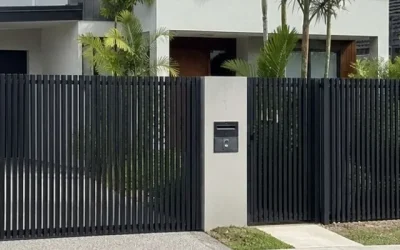
Getting Your New Build Fencing Right From the Start
New builds in Melton and surrounding estates move fast, and fencing often gets left until the last minute. That usually creates problems: delayed installs, disputes with neighbours, or a fence that doesn’t meet estate requirements.
Sorting a few key things before your fencing contractor arrives will save you time, money and headaches. This checklist covers everything worth confirming before installation day.
When to Book Fencing During a New Build
Fencing typically goes in after the build is complete and the site has been cleaned up, but before you move in or landscape the yard. Booking too early means posts may be in the way of trades; booking too late means you’re living on an open block longer than necessary.
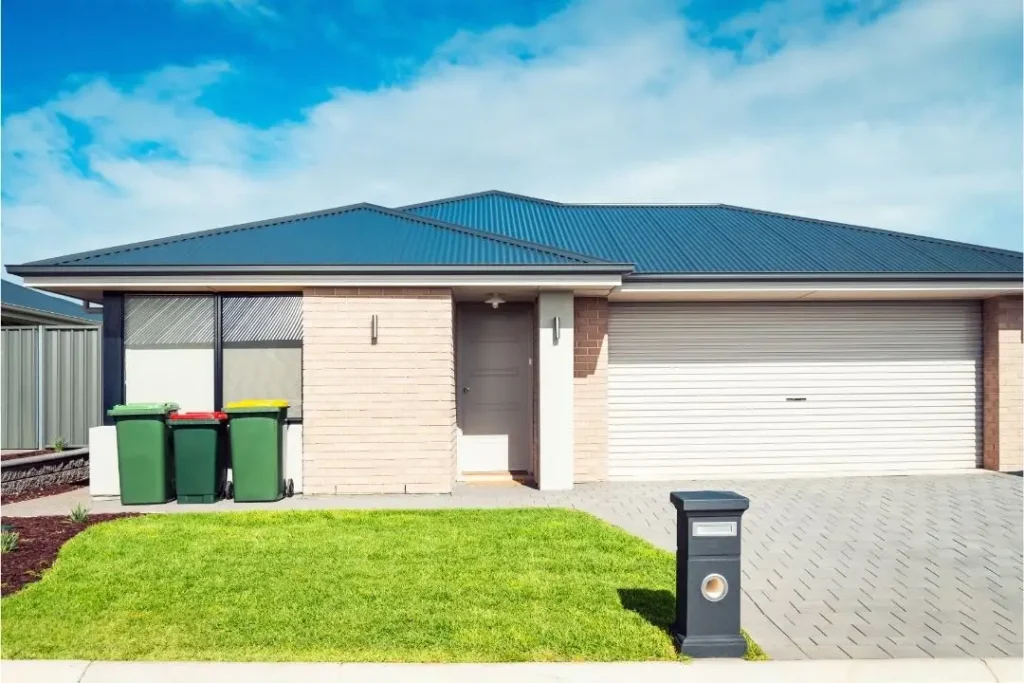
Talk to your builder about the practical handover sequence and lock in your fencing quote well before the build finishes. Good contractors in growth corridors like Melton and Melbourne’s Western suburbs, book out quickly, especially in busy seasons.
Confirming Your Boundary Lines
Never assume the pegs in the ground are accurate or still in the right position. On new estates, survey pegs can be disturbed by earthworks, neighbouring builds or general site activity.
Before any posts go in, confirm your boundaries using your certificate of title and the original survey plan. If there’s any doubt, engage a licensed surveyor to re-peg the block. Under Victorian fencing law, fences must be built on the common boundary, and getting this wrong can mean costly removal and reinstallation.
Talking to Your Neighbours First
In Victoria, adjoining owners generally share the cost of a dividing fence and must be given notice before work begins. On a new estate, your neighbour may still be building or may not yet have taken possession of their lot.
Contact them early, confirm they’re aware of the planned fence, and agree on the style and cost split in writing where possible. Skipping this step is one of the most common causes of fencing disputes on new estates.
Estate Covenants and Developer Requirements
Most new estates in Melton, Aintree and surrounding suburbs have design guidelines or restrictive covenants that specify what fencing is permitted. These can cover materials, colours, heights, front boundary treatments and whether side fences can be visible from the street.
Check your contract of sale, title documents and any estate design guidelines before choosing your materials. Some estates require Colorbond in specific colours, while others restrict timber or require a certain front setback before fencing begins. Breaching a covenant can require you to remove and replace the fence at your own cost.
Choosing the Right Material
Colorbond steel fences are the most popular choice on new builds across Melbourne’s west. It’s low maintenance, durable in the local climate and widely accepted under estate guidelines. Fences made of timber suit certain styles and budgets but requires more upkeep over time. Aluminium fencing is worth considering for front boundaries or decorative sections where appearance matters.
The factors that affect your overall fencing cost go beyond just the material itself. Site conditions, fence height, the number of gates and ground preparation all feed into the final price, and understanding what drives new fence costs helps you budget accurately from the start.
If you’re unsure which material suits your block and estate requirements, ask your contractor before committing. A good fencer will know what’s commonly approved in your area.
Side Access and Gate Widths
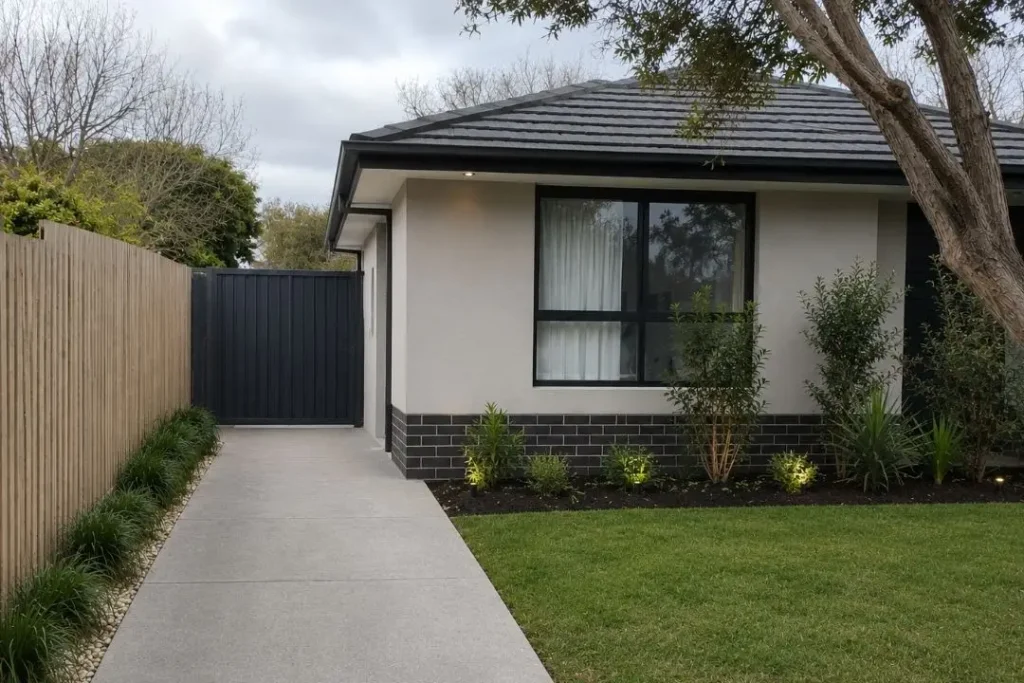
Think carefully about how you’ll use the side of your property before the fence goes in. Once it’s installed, changing gate positions or widths is an additional cost.
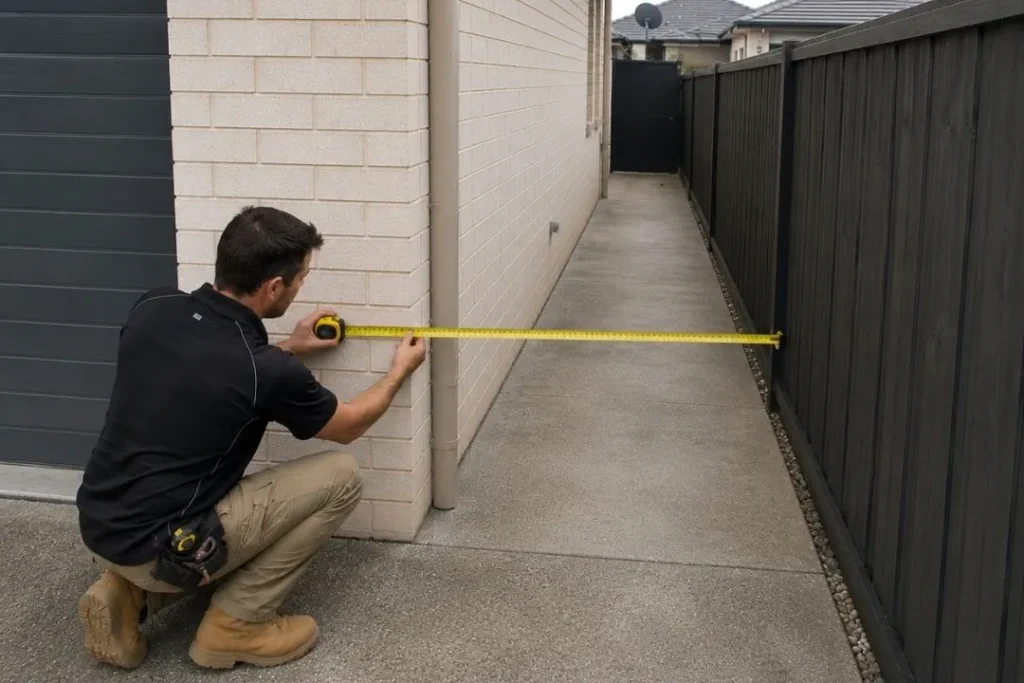
If you plan to store a trailer, boat or ride-on mower, you’ll need a gate wide enough to get it through. A standard pedestrian gate is around 900mm wide. A double vehicle gate typically starts at 2.4 metres and can go wider depending on your needs. Measure your equipment and your driveway clearance before finalising the design.
Also consider whether you’ll need side access for tradespeople, bin collection or future landscaping work. A gate on the wrong side, or no gate at all, becomes an inconvenience quickly.
Retaining Walls and Level Changes
Many new blocks in Melton’s growth areas are cut and filled, which means level changes between neighbouring properties are common. If your block sits higher or lower than the one next door, a standard fence installation may not be straightforward.
Stepped fencing or a retaining wall may be needed before posts can go in. This affects both the cost and the timeline, so identify any significant level changes during your site inspection and discuss them with your contractor upfront. Leaving this until installation day causes delays and can push up costs unexpectedly.
Checking for Underground Services
Post holes on a new build can hit underground services including gas, water, electrical and telecommunications lines. This is a serious safety risk and can result in significant repair costs.
Before any digging begins, check the location of underground utilities through Before You Dig Australia. Your contractor should do this as part of their preparation, but it’s worth confirming it’s been done before work starts. On new estates, service locations aren’t always where you’d expect them.
Landscaping and Soil Conditions
If you’re planning to landscape after the fence goes in, coordinate the two projects carefully. Landscapers sometimes need access along the fence line to bring in soil, turf or equipment, and a newly installed fence can get in the way.
Also consider whether you’re planning raised garden beds, decking or paving near the fence. These can affect post depth requirements or the clearance needed at the base of the fence. Talk through your landscaping plans with your fencer before installation so the design accounts for what’s coming.
Front Boundary Fencing
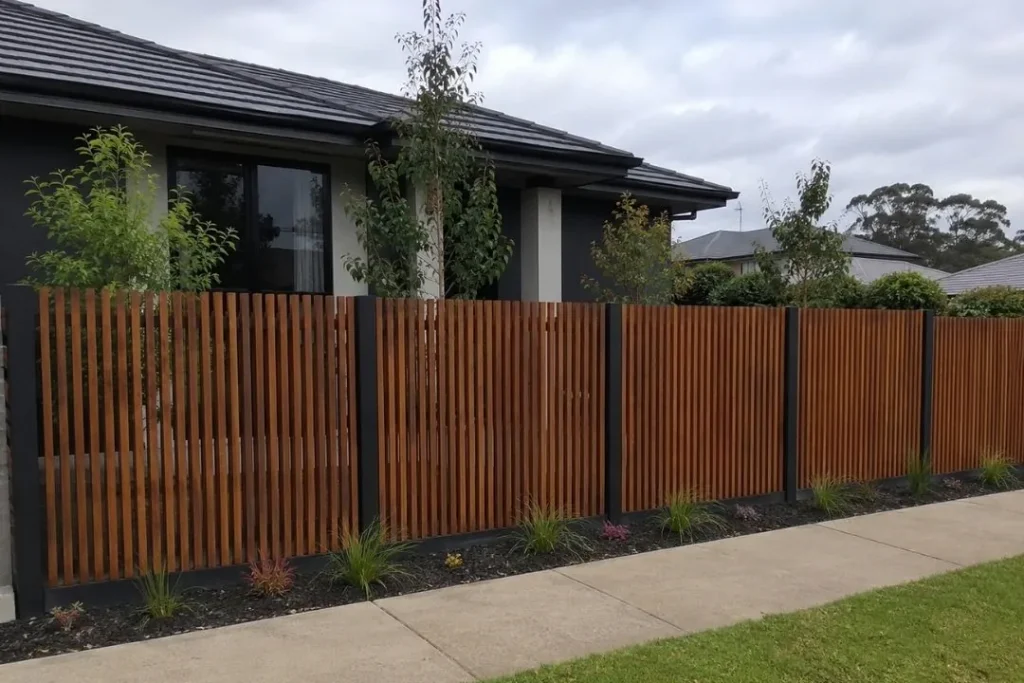
Front boundary fencing on new estates is often the most regulated part of the job. Many estates in Melton and Aintree require open-style front fencing, a specific setback from the street, or no front fence at all in the first few metres.
Check your estate guidelines carefully before planning anything along the front boundary. Some developers also require approval before front fencing is installed, separate from council requirements. Getting this wrong is an expensive fix.
Before You Call a Contractor
Having the following sorted before you request a quote will make the process faster and more accurate:
- confirmed boundary lines
- a copy of your estate design guidelines
- a clear idea of gate positions and widths
- an understanding of any level changes on the block.
The more information you can provide upfront, the more accurate your quote will be. Contractors who have to revisit a site or revise a quote due to missing information will often charge accordingly.
Get Your New Build Fencing Sorted
A bit of preparation before installation makes the whole job run more smoothly and helps avoid the delays and disputes that catch new build owners off guard. For fencing contractors Melton homeowners and new build owners across the western suburbs rely on, we cover Colorbond, timber and aluminium fencing with prompt communication and honest quotes.
We work across Melton, Aintree, Bacchus Marsh and surrounding areas. You can also browse our completed fencing projects to get a feel for styles and finishes before you decide. For those in the Caroline Springs area, our team handles fencing Caroline Springs properties with the same approach.
Call (03) 9645 2820 or get in touch online to arrange your free quote.