Is Replacement Actually Necessary?
Before any work starts, it pays to be honest about whether the fence needs replacing or just repairing. A few rotten palings or a leaning post can often be fixed without pulling the whole fence down.
Replacement makes sense when the structure is failing in multiple places, when posts are rotted at ground level, or when the fence is simply too far gone to hold repairs. If you are unsure, a fencing contractor can walk the boundary with you and give a straight answer.

Talking to Your Neighbour First
If the fence sits on a shared boundary, your neighbour has a say in what happens to it. That conversation should happen before you book any work, not after.
Cost sharing, material choice, and timing all need to be agreed on. The legal side of shared fences in Victoria is covered under the Fences Act, and the specifics around fencing laws in Melton are worth understanding before you approach your neighbour so the conversation starts on solid ground.
Access to Both Sides of the Fence
Removal and installation both require access to both sides of the fence line. If one side backs onto a neighbour’s yard, a laneway, or a garden bed, that access needs to be arranged before the crew arrives.
Locked gates, parked vehicles, and overgrown vegetation can all hold up a job. Sort access in advance and let your contractor know about any restrictions so they can plan accordingly.
Removing Palings, Panels and Posts
Removal usually starts with the palings or panels, which are taken off before the posts are dealt with. For Colorbond and aluminium fences, full panels come down as a unit. Timber fences are often stripped paling by paling.
Posts are the harder part. Concrete footings hold most posts in place, and getting them out cleanly takes the right equipment. Digging out a footing by hand is slow work, and a contractor with a post-hole digger or hydraulic extractor will do it faster and with less damage to the surrounding ground.
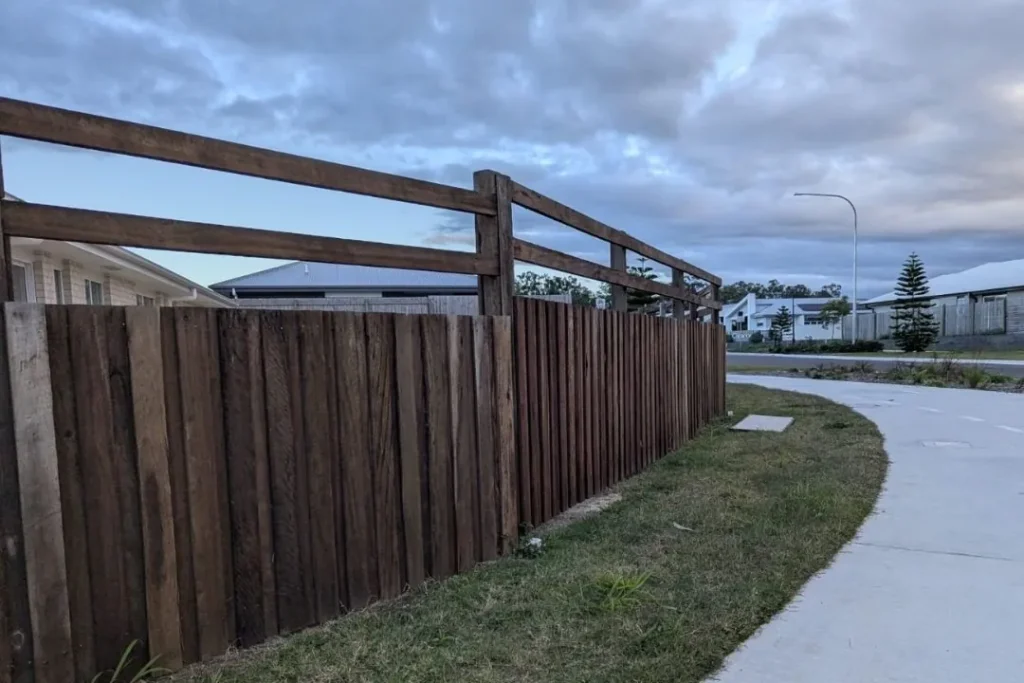
Old hardwood posts can be particularly stubborn. If the post has been in the ground for decades, the concrete footing may have spread significantly, which means more excavation than expected.
Disposal of Old Materials
Fence removal generates a reasonable amount of waste, and disposal is not always straightforward. Treated timber, corroded steel, and concrete footings all need to go somewhere.
Most fencing contractors include disposal in their quote, but confirm this before work starts. If you are handling disposal yourself, check what your local transfer station accepts, as treated timber and mixed materials are often separated.
Dealing with Vegetation Along the Fence Line
Overgrown plants, tree roots, and creepers along the fence line can complicate both removal and installation. Roots that have grown around old posts make extraction harder, and dense vegetation can block access to the fence line entirely.
Clear as much as you can before the crew arrives. If large roots are involved, let your contractor know so they can bring the right tools. Replanting along the new fence is best done after installation, not before.
Resetting the Fence Line
Once the old fence is out, the fence line needs to be confirmed before new posts go in. This is especially important if the old fence had shifted over time or was not sitting on the true boundary to begin with.
If there is any doubt about where the boundary sits, a licensed surveyor can peg it accurately. Getting this right before installation avoids disputes later and makes sure the new fence is built in the correct position.
Setting New Posts
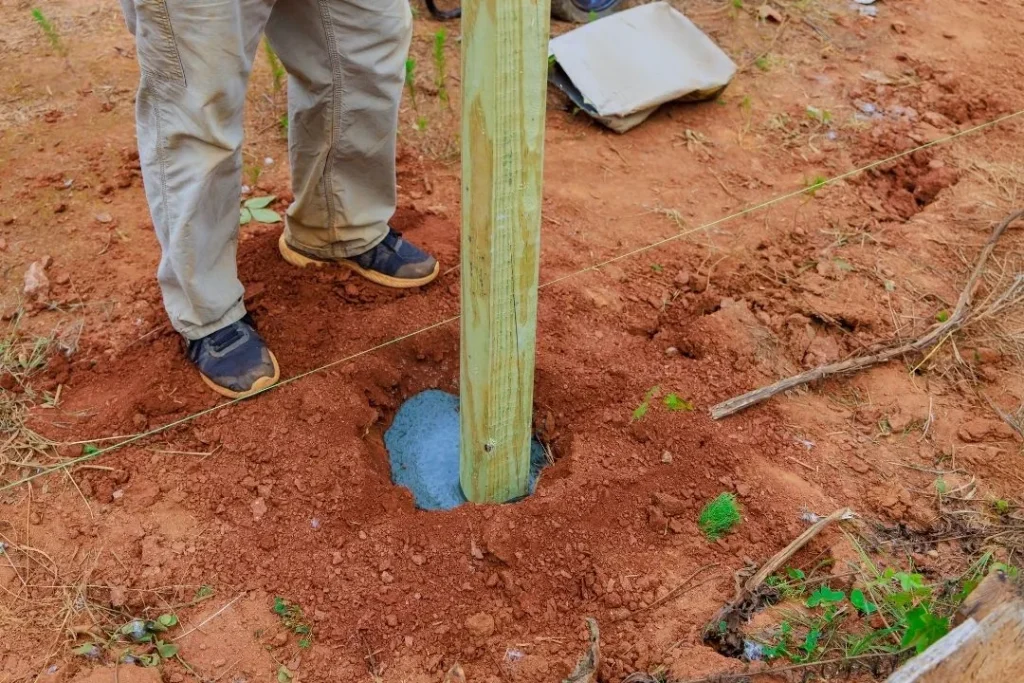
New posts are the foundation of the whole fence, so this step matters more than most homeowners realise. Posts need to be set at the right depth, plumb, and spaced correctly for the chosen material and panel size.
For timber fencing, post treatment is critical. Timber rot in Melbourne’s climate is a real concern, particularly at ground level where moisture sits. Posts rated for in-ground use carry a hazard level classification that reflects how much preservative treatment they contain, and treated pine hazard levels vary depending on the application and exposure conditions.
Concrete is poured around each post and left to cure before the rest of the fence goes up. Rushing this step leads to posts that shift under load, which affects the whole fence.
Installing Panels, Palings or Sheets
With posts set and cured, the fence goes up relatively quickly. Colorbond sheets clip into rails, aluminium panels slot into place, and timber palings are fixed to horizontal rails one by one.
For timber fencing installation, spacing between palings, rail height, and fixing method all affect how the finished fence looks and how long it lasts. A consistent gap between palings matters for both appearance and airflow, which helps the timber dry out after rain.
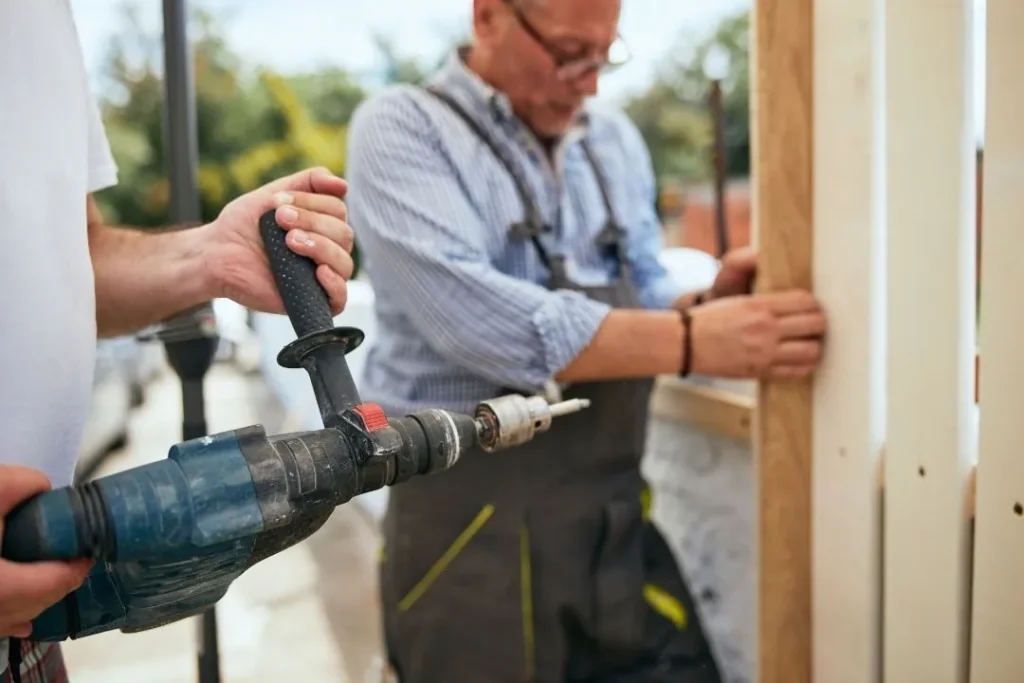
Good fencing comes down to the details at this stage: straight lines, consistent fixings, and no shortcuts on the materials.
Gates and Hardware
If the replacement includes a gate, this is fitted last. Gate posts carry more load than standard fence posts and need to be set deeper and with more concrete to handle the weight and movement of a swinging gate.
Hardware selection matters too. Hinges, latches, and drop bolts should suit the gate material and the level of use the gate will get. A heavy double gate needs heavier hardware than a standard pedestrian entry.
Self-closing hinges and childproof latches are worth considering for pool gates, where compliance requirements apply regardless of whether the fence itself is being replaced.
What to Expect on the Day
A straightforward single-boundary replacement on a standard suburban block can often be completed in a day, depending on length and material. Longer runs, difficult access, or complex gates will take longer.
Your contractor should walk you through the sequence before work starts so you know what to expect at each stage. Clear communication from the outset avoids surprises and keeps the job moving.
Get a Quote for Your Fence Replacement
A fence replacement is a straightforward job when it is planned properly. For fence installation Melton locals can rely on, our team handles the full process across Melbourne’s Western suburbs, including Bacchus Marsh and Deer Park, from removal and disposal through to new post installation and gates.
Call (03) 9645 2820 or get in touch online to arrange your free quote.